Hi, I'm
Nadeen.
AI educator and builder. Founder of AI Build Club DC. I run workshops where people learn AI through play, curiosity, and hands-on building — and I build custom AI systems for individuals and teams ready to put it to work.
★★★ Based in Washington, DC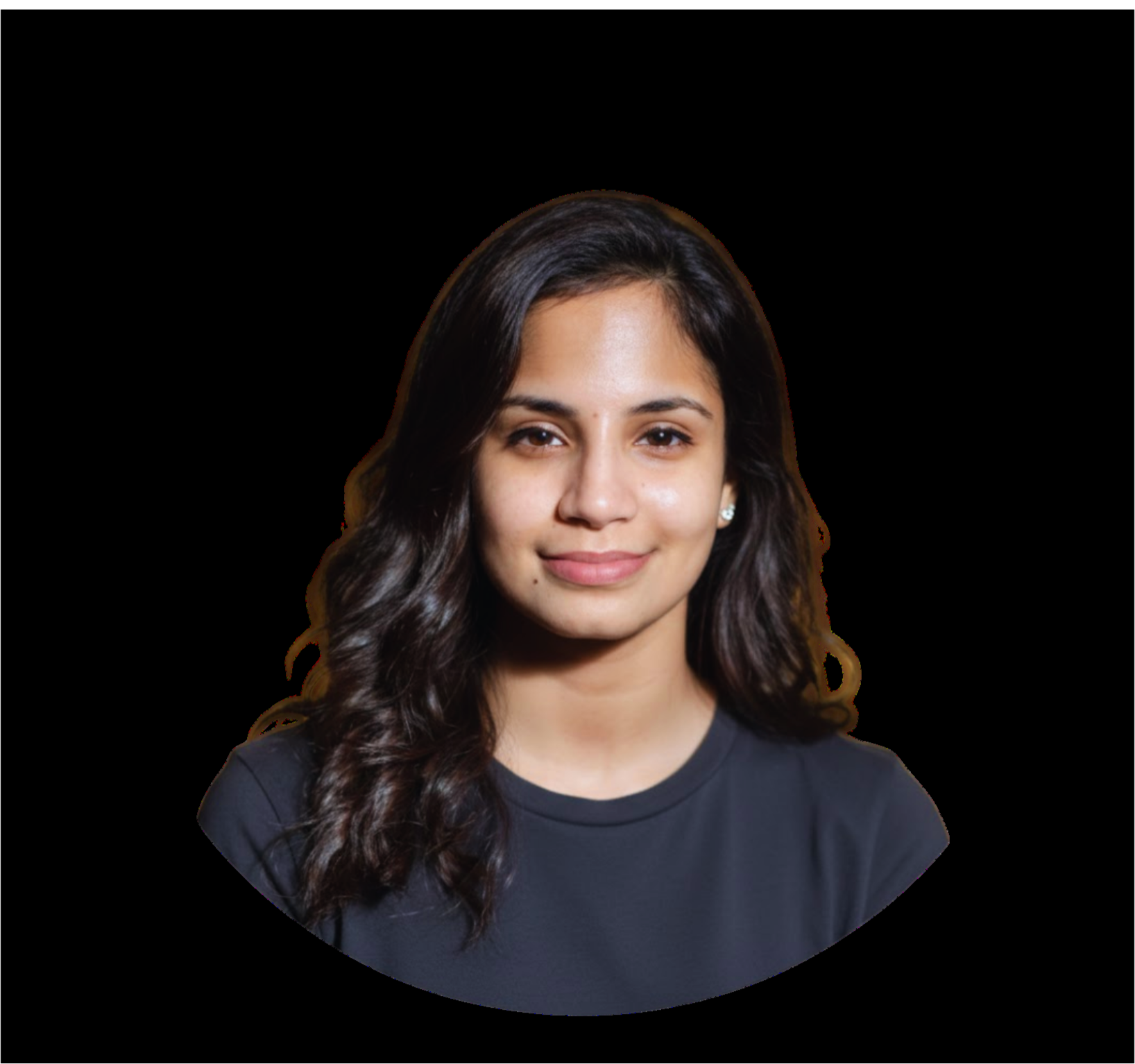


Great host! Knows her stuff and can lead a room of people through important discussions.
The event was highly educational as the speakers shared a wealth of knowledge for advanced AI usage.
Really cool location, great people to connect with and learn from, interesting demos, good vibes & food.
Nadeen is truly driven by the mission to create a space for builders, thinkers, tinkerers, and visionaries to come together.
Nadeen ran a smooth, interactive, and engaging conversation. She kept everyone engaged. A great meetup.
The event was well designed. The community was very curious and engaging.
Wonderfully facilitated event. I left excited, encouraged, and wanting to learn more!
Awesome at building community around AI and bringing people together to learn from each other.
This was my third AI Build Club event and I look forward to attending more!
Insightful, and engaging.
Come build with us.
AI Build Club DC provides accessible events and workshops to spread the knowledge of how others are utilizing AI to build apps, agents, and companies.
Need a custom AI system? Let's build it.
I design and build AI agents and systems for individuals and teams — shaped around how you already live and work.
1:1 AI Coaching.
I coach individuals one on one to use AI with confidence in their own work. Your tools, your workflows, your goals. You leave able to do it yourself.
Things I've built.
AI agents, curriculum, and systems I've shipped for clients and for myself.
My AI Operating System
6 agents that run my consulting, community, and job search. Morning prep went from 15 minutes to 30 seconds.
Bounce Boom
Built a customer support AI for a tennis school serving 1,000 students a week. Email triage dropped from over an hour a day to under fifteen minutes.